

For many nonprofit organizations, strategic communication is still considered a secondary function. It is often viewed as an expense rather than a strategic investment that advances their mission. But in an increasingly crowded and digital world, successful organizations are often those able to communicate their mission effectively, build trust, and cultivate lasting relationships with their

Small Business Website Design: Crafting a Strong Online Presence Want help reaching your business goals? Take a look at your website design. If you don’t have a business website yet, now is your golden opportunity to design it right. The most successful website designs are easy for users to navigate and encourage customer behaviors that help

Most brands still market to the masses. The ones growing fastest are designing for the distinct communities within them. Brands spend enormous resources trying to drive growth. But many are overlooking—or deprioritizing—the strategy fueling the brands pulling ahead. Most brands default to what I call a melting pot approach. They market to the masses, largely
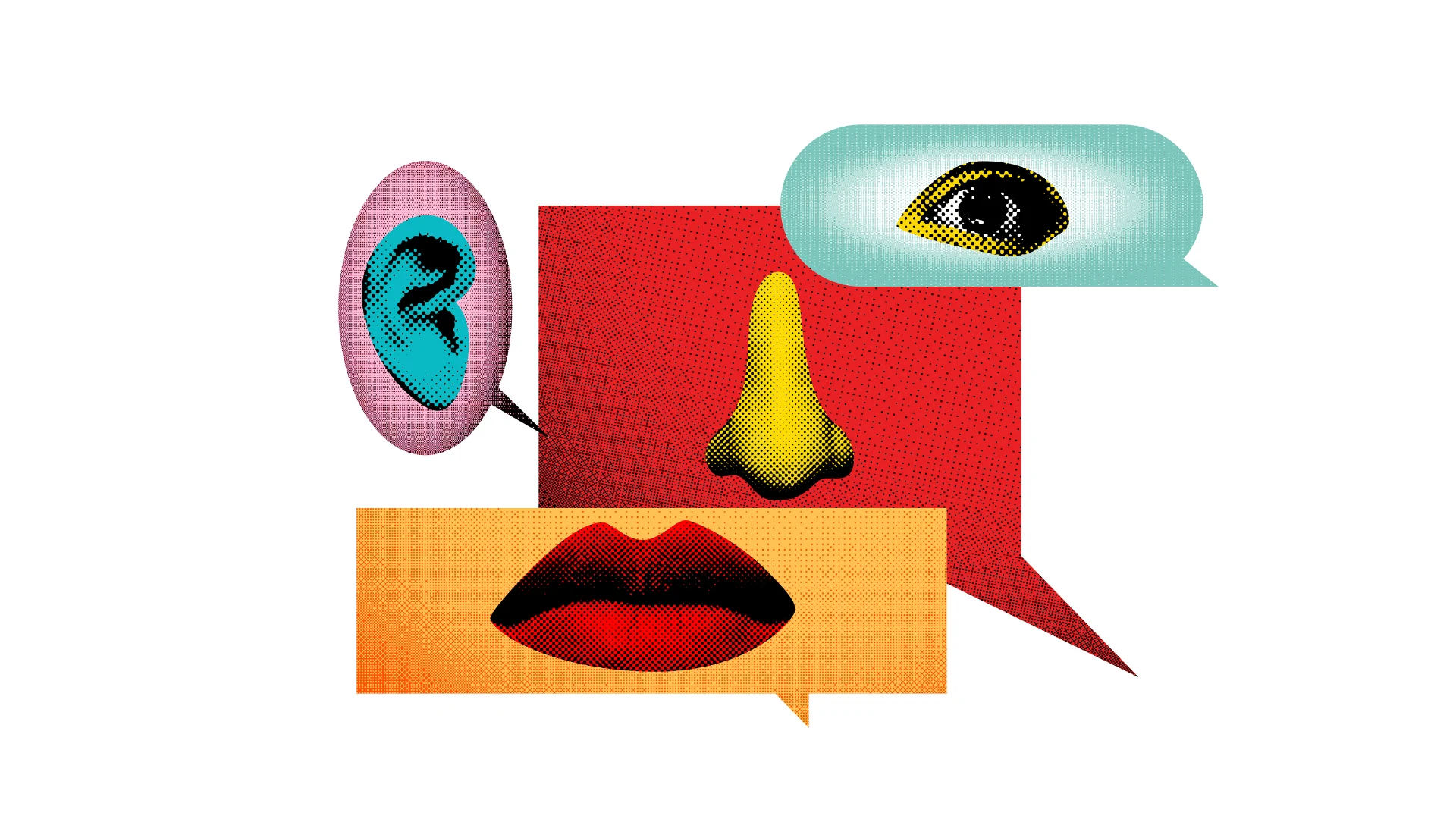
OUR FIVE SENSES ARE KEY TO MEMORY AND BRAND STRATEGY On a recent call with a major sports organization to discuss experiential communications, a marketing leader pushed back with a familiar argument, “Why wouldn’t I just take a few million dollars and do an ad buy instead? I can reach the same number of people.”

The value of a simplicity strategy is that it can also be a growth strategy. Brand leaders are increasingly tasked to chart courses through the unknown — artificial intelligence, quantum computing, new frontiers in space, the evolution of money and more. These frontiers promise growth, but are filled with complexity, volatility and confusion. And while
If you ask ten business owners what their brand is, you’ll hear an array of answers. Some will point at their logo. Others will talk about their tagline, their color palette, or maybe their social media following. Branded elements certainly play a role in your brand, but brand and branding are not the same thing.

Branding is how a company shares its values, connects with an audience and distinguishes itself from competitors. It’s become extremely important for businesses in marketing contexts to stand out in competitive markets. Every interaction a consumer has with a business gives a representation of branding. It defines a company in the minds of its audience,

Measuring awareness, consideration, conversion, and loyalty reveals how brand marketing drives real business outcomes. Brand marketing is often the silent driver behind successful digital campaigns. People are far more likely to read, watch, click, and ultimately buy from a brand they already know and trust. That’s why doing the harder, slower work of building a

Identity is an increasingly central driver of consumer purchases, even as diversity suffers backlash in some parts of the world. Here’s how brands can get it right. Despite pushback against diversity initiatives, particularly in the United States’ corporate and higher education realms, brands tapping into consumers’ desire for more diverse identity representation can reap substantial commercial
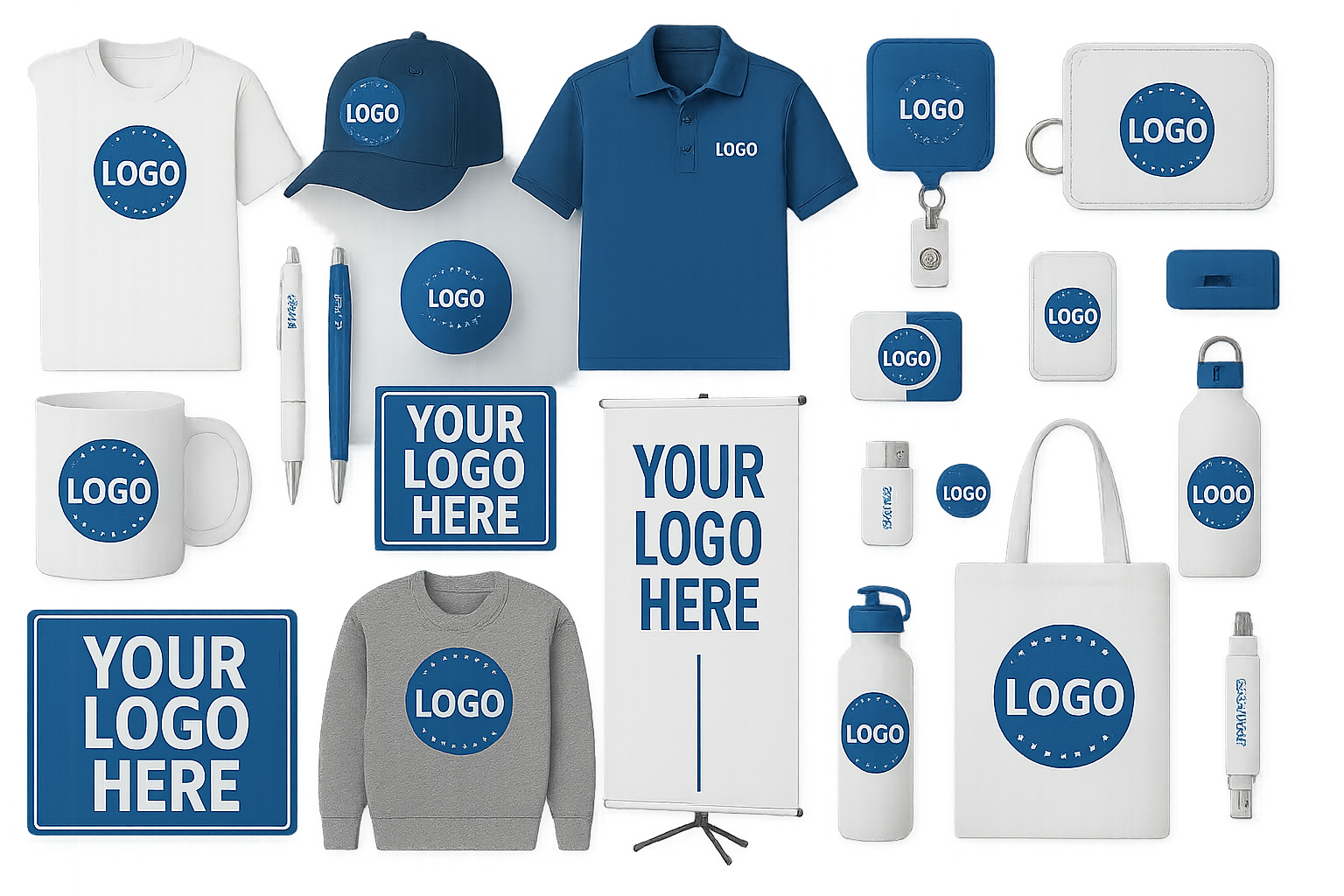
The market for promotional products—swag, knick-knacks, trinkets, and leave-behinds—amounted to an astounding $25 billion in 2022. This number serves as a testament to the immense market for branded tchotchkes to promote goods and services. They can be a powerful selling tool, after all. That is, of course, when done right. Otherwise, they become nothing more

SERVICES
FOLLOW US
©2026 Marketing Excellence Inc • All rights reserved